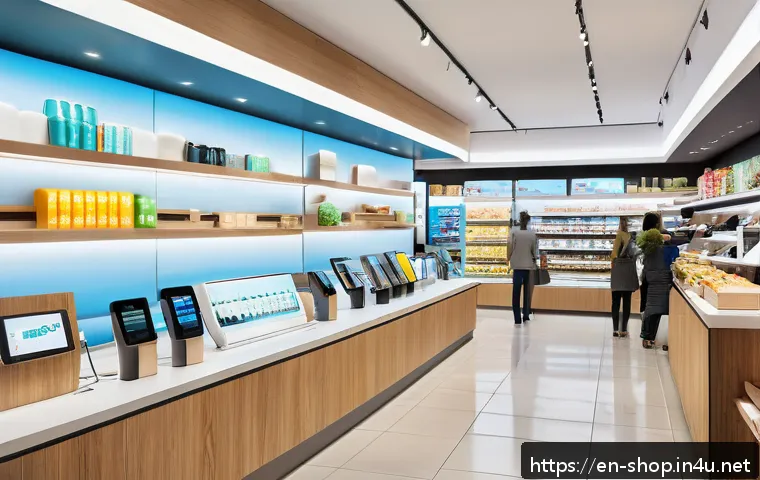
Landing a role as a shopping manager means stepping into a fast-paced world where keen organization, customer insight, and strategic thinking are key.

Whether you’re aiming to lead a bustling retail store or manage an online shopping platform, preparing thoroughly can set you apart from the competition.
From mastering inventory systems to honing communication skills, there’s a lot to cover before you even walk into that interview. Understanding the current retail trends and digital tools is also crucial in today’s market.
Let’s dive into a detailed checklist that will guide you through every essential step to boost your confidence and readiness. Ready to get started? I’ll walk you through everything you need to know!
Understanding the Retail Landscape and Consumer Behavior
Grasping Current Market Trends
Retail is always evolving, and a shopping manager who stays on top of trends gains a serious edge. Lately, the rise of omnichannel shopping—where customers expect seamless experiences across online and physical stores—has changed the game.
Knowing how to adapt inventory, marketing, and customer service to this shift is crucial. Personally, I found that reading industry reports and following retail thought leaders on social media helped me catch trends early, which I could then discuss confidently during interviews.
Don’t underestimate how much this knowledge can boost your credibility.
Decoding Customer Preferences
Customers today are more informed and demanding than ever. They value convenience, personalization, and sustainability. Understanding these preferences isn’t just about memorizing buzzwords—it’s about observing and interpreting customer feedback, sales data, and even social media chatter.
When I managed a store, I regularly reviewed customer reviews and sales patterns to adjust product placement and promotions, which noticeably improved customer satisfaction and sales.
Getting comfortable with these insights will show potential employers you’re tuned into what really drives shopping behavior.
Adapting to Digital Shopping Tools
Technology is reshaping retail, and shopping managers need to be fluent in digital tools. This includes inventory management software, POS systems, and customer relationship management platforms.
From my experience, taking online courses or tutorials on popular retail software like Shopify or Square made a huge difference. Not only did it prepare me technically, but it also gave me talking points to demonstrate my readiness for a tech-driven retail environment.
Showing that you can navigate these tools smoothly can separate you from other candidates who might rely solely on traditional methods.
Mastering Inventory Control and Supply Chain Basics
Inventory Management Fundamentals
Keeping inventory balanced is an art and a science. Too much stock ties up capital and clutters space, while too little leads to lost sales and unhappy customers.
I found that learning about techniques like ABC analysis and just-in-time inventory helped me understand how to prioritize stock efficiently. When interviewing, sharing examples of how you managed stock levels or reduced waste can make a strong impression.
If you haven’t had direct experience, even hypothetical scenarios can show your understanding.
Supplier Relationships and Negotiation Skills
Behind every great store is a solid network of suppliers. Building and maintaining these relationships requires communication skills and negotiation savvy.
I remember one instance where renegotiating terms with a supplier saved my store thousands without compromising quality. Practicing negotiation tactics and understanding contract basics beforehand can boost your confidence during discussions.
Employers love candidates who can handle this critical responsibility smoothly.
Logistics and Delivery Coordination
Efficient logistics ensure that products arrive on time and in good condition. This includes understanding shipping methods, lead times, and handling returns.
From my time in retail, coordinating with couriers and internal teams was a daily task that directly impacted customer satisfaction. Familiarizing yourself with common logistics challenges and solutions will help you anticipate questions and demonstrate practical know-how.
Enhancing Communication and Leadership Abilities
Effective Team Management
A shopping manager’s role often involves leading a diverse team. Developing clear communication, conflict resolution, and motivation skills is essential.
I learned early on that regularly checking in with staff and celebrating small wins creates a positive atmosphere. Sharing stories about how you’ve led or collaborated with a team—even in volunteer roles—can highlight your leadership potential.
Customer Interaction Excellence
Interacting with customers isn’t just about politeness; it’s about creating memorable experiences. I’ve noticed that managers who model patience, empathy, and active listening set the tone for the whole team.
Practicing responses to common customer scenarios can prepare you to handle tricky situations gracefully, which is a huge plus during interviews.
Presenting Ideas Clearly
Whether it’s pitching a new promotion or explaining a shift in strategy, clear communication is key. When I prepared for interviews, I rehearsed concise ways to explain my ideas and achievements.
This clarity helps interviewers see your thought process and how you might contribute to their business.
Building a Strong Resume and Interview Strategy
Highlighting Relevant Experience
Your resume should tell a story tailored to the shopping manager role. Focus on accomplishments like improving sales, managing inventory, or leading teams.
Quantifying results (e.g., “increased sales by 15% over six months”) grabs attention. In my case, I also included soft skills like adaptability and problem-solving, which are highly valued in retail.
Preparing for Behavioral Interview Questions
Retail interviews often include behavioral questions that explore how you handle real-life situations. I found the STAR method (Situation, Task, Action, Result) incredibly helpful for structuring my answers.
Practicing common questions about conflict resolution, teamwork, and decision-making gave me confidence and allowed me to share genuine stories.
Showcasing Passion and Industry Knowledge
Employers want to hire someone excited about their brand and the retail world. I always made sure to research the company’s values, products, and market position before interviews.
Bringing up specific points about their challenges or growth plans showed that I’d done my homework and was genuinely interested.
Developing Digital Marketing and E-commerce Skills
Understanding Online Sales Platforms
The digital shopping environment demands familiarity with platforms like Amazon, eBay, and Shopify. From personal experience, setting up a mock online store or helping a small business with their e-commerce boosted my practical skills.
Knowing how to manage product listings, pricing, and promotions online is a game-changer in retail today.
Leveraging Social Media for Customer Engagement
Social media is a powerful tool to attract and retain customers. I experimented with creating content and analyzing engagement metrics to understand what resonates with audiences.
Demonstrating that you can use platforms like Instagram or Facebook to support sales efforts adds a modern edge to your profile.
Basic Data Analytics for Retail
Data drives decisions in retail—from tracking sales trends to customer demographics. I recommend getting comfortable with tools like Excel or Google Analytics to analyze performance metrics.
Even simple charts or reports you’ve created can be great talking points during interviews, showing you can back up your strategies with data.
Essential Skills and Certifications to Boost Your Profile
Key Skills Every Shopping Manager Needs
Time management, problem-solving, and multitasking top the list. In the fast-paced retail world, juggling priorities without losing focus is critical.
I found that using task management apps and setting daily goals helped me stay organized and calm under pressure. These skills translate directly into better store performance and happier customers.
Valuable Certifications to Consider
Certifications like Certified Retail Management Professional (CRMP) or courses in supply chain management can elevate your resume. I took a short online course on retail fundamentals that not only expanded my knowledge but also gave me confidence during interviews.
Even if you don’t have formal certifications yet, showing a willingness to learn is highly appreciated.
Continuous Learning and Adaptability
Retail never stands still, so embracing ongoing education is a must. I make it a habit to read articles, attend webinars, and connect with other professionals.
Sharing your commitment to growth during interviews signals you’re ready to evolve with the industry and take on new challenges.
Comparing Key Skills, Tools, and Certifications
| Category | Essential Skills | Common Tools | Recommended Certifications |
|---|---|---|---|
| Inventory Management | Stock control, forecasting, prioritization | Shopify, Square, Oracle NetSuite | Certified Supply Chain Professional (CSCP) |
| Customer Relations | Communication, empathy, conflict resolution | CRM systems (Salesforce, Zoho CRM) | Customer Service Certification |
| Digital Marketing | Social media management, data analysis | Google Analytics, Hootsuite, Facebook Ads Manager | Google Ads Certification |
| Leadership | Team management, motivation, decision-making | Microsoft Teams, Slack | Certified Retail Manager (CRM) |
글을 마치며
Mastering the retail landscape requires a blend of market insight, strong leadership, and digital savvy. By continuously adapting to consumer behavior and technology, shopping managers can drive store success and customer loyalty. Remember, practical experience combined with ongoing learning sets you apart in this competitive field. Embrace these strategies, and you’ll be well-prepared to excel in any retail environment.
알아두면 쓸모 있는 정보
1. Staying updated with omnichannel trends helps you meet evolving customer expectations and keeps your store competitive.
2. Analyzing customer feedback and sales data can reveal hidden preferences that improve product placement and promotions.
3. Familiarity with retail software and e-commerce platforms boosts your efficiency and showcases your readiness for modern retail challenges.
4. Practicing negotiation and supplier relationship management can significantly reduce costs and improve product quality.
5. Leveraging social media and basic data analytics not only enhances marketing efforts but also provides measurable insights to support business decisions.
중요 사항 정리
To thrive as a shopping manager, it’s essential to integrate strong communication and leadership skills with a solid understanding of inventory control and digital tools. Demonstrating your ability to analyze data and adapt to market trends will impress employers and improve store performance. Certifications and continuous learning further validate your expertise, making you a valuable asset in the fast-paced retail world.
Frequently Asked Questions (FAQ) 📖
Q: What key skills should I focus on to become a successful shopping manager?
A: To thrive as a shopping manager, prioritize strong organizational skills, sharp customer insight, and strategic thinking. You’ll need to efficiently manage inventory, lead a team, and understand consumer behavior deeply.
Communication is equally crucial since you’ll be coordinating with suppliers, staff, and customers. Also, staying updated with digital tools and retail trends can give you a competitive edge.
From my experience, blending these skills helps you not only run daily operations smoothly but also adapt quickly to market changes.
Q: How can I best prepare for an interview for a shopping manager position?
A: Preparation is all about demonstrating your hands-on knowledge and readiness. Start by researching the company’s retail environment and their customer base.
Practice explaining how you’ve managed inventory or improved sales in past roles, with specific examples. Also, be ready to discuss current trends like e-commerce integration or data-driven merchandising.
Personally, I found that rehearsing answers that highlight problem-solving and leadership helped me feel confident and stand out. Don’t forget to prepare thoughtful questions for your interviewers—it shows genuine interest and insight.
Q: What are the most important retail trends a shopping manager should be aware of today?
A: Today’s retail landscape is rapidly evolving, so it’s essential to stay informed about trends like omnichannel shopping, personalized customer experiences, and the use of AI for inventory management.
Sustainability is also gaining momentum, with more consumers favoring eco-friendly brands. Digital tools such as real-time analytics and mobile payment options are becoming standard.
From my perspective, understanding these trends not only helps in strategizing but also in creating a shopping environment that resonates with modern consumers, which can significantly boost customer loyalty and sales.