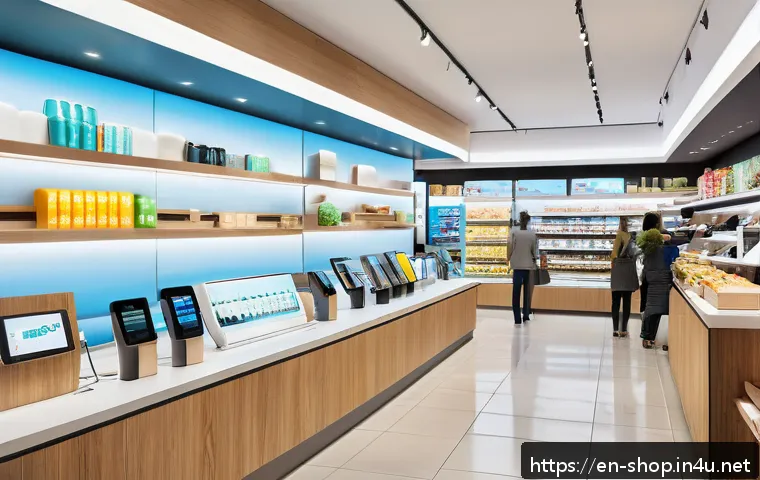
Hey there, retail rebels and future business moguls! Ever wondered what it *really* takes to thrive as a shopping manager in today’s lightning-fast world?
Forget the old textbooks; the game has changed dramatically. I remember starting out, thinking it was all about product knowledge, but oh, how wrong I was!
With the explosion of e-commerce, the rise of conscious consumerism, and AI whispering in our ears, being a shopping manager now demands a whole new playbook.
It’s no longer just about moving inventory; it’s about crafting experiences, understanding intricate data, and predicting the next big trend before it even hits the shelves.
I’ve personally navigated the wild waters of online marketplaces and brick-and-mortar transformations, and let me tell you, the skills you need today are surprisingly diverse and incredibly rewarding.
From mastering digital merchandising to becoming a data wizard, and even understanding the psychology behind every ‘add to cart’ click, it’s a thrilling ride.
So, if you’re ready to ditch the outdated advice and embrace the future of retail leadership, you’ve landed in the right spot. We’re talking about essential skills that not only boost your bottom line but also make you an invaluable asset in this ever-evolving industry.
Let’s dive deep into what truly sets apart a good shopping manager from a truly exceptional one, ensuring your career is as future-proof as your business strategies!
*Stepping into the role of a shopping manager today is vastly different from even just a few years ago. The retail landscape is shifting at an exhilarating pace, thanks to everything from AI-driven personalization to the ever-growing demand for seamless online-to-offline experiences.
I’ve personally seen how crucial it is to adapt quickly, not just in terms of technology but also in truly understanding what makes customers tick. If you’re passionate about guiding teams, optimizing sales, and creating unforgettable shopping journeys, then you’re probably wondering what core competencies will truly elevate your game.
It’s about more than just managing inventory; it’s about leading with foresight and a deep understanding of today’s dynamic consumer. Curious to uncover the essential skills that will transform you into an indispensable leader in retail?
Let’s definitely find out exactly what you need to succeed!
Embracing the Digital Frontier: Mastering E-commerce and Omnichannel
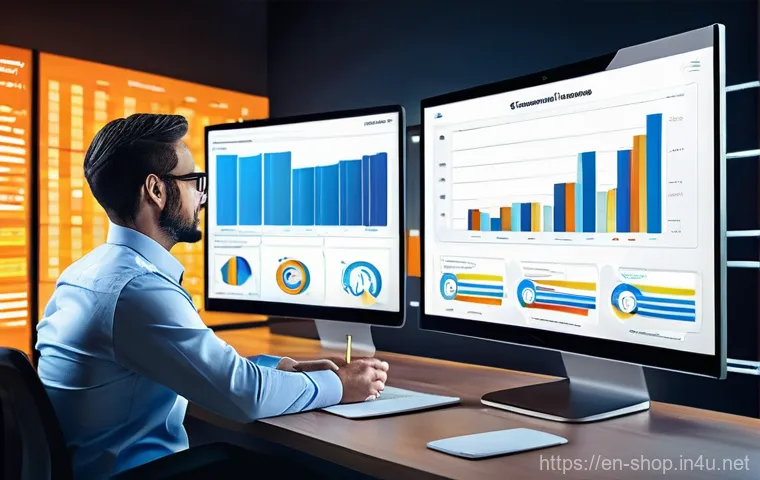
Stepping into the modern retail landscape, it’s virtually impossible to ignore the colossal shift towards digital. I remember when e-commerce felt like a niche, a side project for brick-and-mortar stores.
Boy, how times have changed! Now, it’s the heartbeat of retail, and if you’re not fluent in the language of online sales, you’re missing a massive piece of the puzzle.
My journey has shown me that truly excelling as a shopping manager means not just understanding your physical store, but becoming a digital native, too.
This isn’t just about having a website; it’s about creating a cohesive, delightful experience for your customers, whether they’re scrolling on their phone on the bus, clicking ‘add to cart’ from their laptop at home, or walking through your store doors.
It’s about ensuring that every touchpoint feels like a natural extension of the same brand, and honestly, that takes a lot more thought and strategic planning than you might initially imagine.
From optimizing product listings for search engines to crafting engaging social media campaigns, your digital presence is often the first, and sometimes only, impression you make on a potential customer.
You’ve got to be on top of things like conversion rates, abandoned cart recovery, and making sure your online customer service is as stellar as your in-person one.
It’s a dynamic, ever-changing arena, and staying ahead means constant learning and adaptation, but the rewards are absolutely huge when you get it right.
Navigating the Online Marketplace Landscape
The world of online marketplaces – Amazon, eBay, Etsy, you name it – is a beast of its own, but it’s also an incredible opportunity. I’ve personally seen businesses skyrocket by strategically listing their products on these platforms, reaching audiences they could never have touched with just a standalone website.
But it’s not as simple as just uploading your inventory. Oh no, my friends, there’s a real art to it! You need to understand each platform’s specific algorithms, their customer demographics, and how to optimize your product descriptions and images to stand out in a sea of competitors.
Pricing strategies, shipping logistics, and managing customer reviews on these sites are crucial. I’ve learned that a single negative review can tank your sales for weeks, so maintaining a stellar reputation and providing top-notch service is paramount.
It’s all about playing smart, understanding the rules of each game, and leveraging these massive platforms to expand your brand’s reach and profitability.
Seamless Customer Journeys Across Channels
This is where the magic of omnichannel truly comes alive, and it’s something I’m incredibly passionate about. Think about it: a customer might discover your product on Instagram, add it to their cart on their laptop, then pop into your physical store to try it on, and finally purchase it online for home delivery.
Or maybe they buy online and pick up in-store. The possibilities are endless, and your job as a shopping manager is to make every single one of those transitions smooth and effortless.
This means integrating your inventory, customer data, and sales channels so they speak to each other, creating a truly unified experience. It’s about knowing your customer, no matter where they are in their shopping journey, and being ready to meet them with consistent branding, pricing, and service.
When you nail this, it doesn’t just improve customer satisfaction; it dramatically boosts loyalty and, ultimately, your bottom line.
The Art of Data-Driven Decisions: Beyond Just Sales Figures
In my career, I’ve witnessed the transformation from gut-feeling decisions to those powerfully informed by data, and let me tell you, it’s a game-changer.
Gone are the days when you could simply guess what customers wanted or rely solely on last year’s trends. Today, if you’re not looking at your data, you’re flying blind.
It’s not just about knowing your daily sales; it’s about diving deep into what those numbers *mean*. What products are selling together? What time of day do your online sales peak?
Which marketing campaigns are actually driving conversions? These aren’t just abstract questions; they’re the keys to unlocking incredible growth and efficiency.
I’ve spent countless hours poring over spreadsheets and analytics dashboards, and while it can seem daunting at first, the insights you gain are priceless.
Understanding data helps you anticipate future trends, optimize inventory, personalize marketing efforts, and even make smarter staffing decisions. It allows you to move from reactive management to proactive strategy, positioning you as a true leader who can navigate the complexities of retail with confidence.
Believe me, becoming proficient in data analysis isn’t just a nice-to-have; it’s a fundamental skill for any shopping manager aiming for true excellence.
Unlocking Consumer Behavior with Analytics
Imagine being able to understand why a customer chose *your* product over a competitor’s, or what made them abandon their cart at the last minute. That’s the power of consumer behavior analytics.
By analyzing everything from website click-through rates and average time on page to purchase history and customer feedback, we can paint a surprisingly accurate picture of our customers’ motivations and preferences.
I’ve personally used these insights to fine-tune everything from product placement in a store to the copy on an email campaign, and the results have been phenomenal.
It’s like having a superpower that lets you peek inside your customers’ minds, allowing you to tailor your offerings and experiences to their exact desires.
This deep understanding doesn’t just increase sales; it builds stronger, more meaningful relationships with your customer base.
Predictive Power: Forecasting Trends and Inventory Needs
One of the biggest headaches for any retail manager is stock management: too much, and you’re sitting on dead capital; too little, and you’re missing out on sales.
This is where predictive analytics becomes your best friend. By analyzing historical sales data, seasonal trends, market indicators, and even external factors like social media buzz, you can forecast demand with surprising accuracy.
I’ve seen firsthand how a well-executed forecasting model can save thousands in inventory costs and significantly reduce lost sales due to out-of-stock items.
It’s not magic; it’s intelligent use of data to anticipate the future. This skill not only streamlines your operations but also positions you as a strategic thinker who can proactively respond to market dynamics rather than simply reacting to them.
Crafting Unforgettable Experiences: The Heart of Modern Retail
Let’s be real: in today’s crowded marketplace, price and product alone aren’t enough to secure customer loyalty. What truly sets a successful retail business apart is the *experience* it provides.
I’ve always believed that shopping isn’t just a transaction; it’s an opportunity to create a memory, a feeling, a connection. As a shopping manager, your role extends far beyond merely stocking shelves or processing sales; you are the architect of customer joy.
From the moment a customer steps into your store or lands on your website, every interaction, every visual cue, every sound, and every scent contributes to their overall perception of your brand.
My own experience has taught me that the smallest details can make the biggest difference – a friendly greeting, a helpful recommendation, an effortlessly smooth checkout process.
These are the moments that transform a casual browser into a loyal advocate. It’s about understanding that people aren’t just buying products; they’re buying solutions, aspirations, and feelings.
When you manage to tap into that emotional connection, you build a bond that transcends mere commerce, fostering a community around your brand that keeps people coming back again and again.
This focus on experience elevates retail from a chore to a delight, for both the customer and, honestly, for us working behind the scenes.
Personalization at Scale: Making Every Customer Feel Seen
In a world saturated with generic ads, true personalization feels like a warm, bespoke welcome. As a shopping manager, harnessing personalization tools is no longer optional; it’s essential.
Think about those “you might also like” recommendations on e-commerce sites, or a personalized email offering a discount on a product you’ve been eyeing.
This isn’t just clever marketing; it’s about making each customer feel uniquely understood and valued. I’ve found that when you can offer relevant suggestions, remember their preferences, and address them by name, it builds an incredible sense of loyalty.
It’s like being a skilled shopkeeper from days gone by, who knew every regular’s taste, but scaled up for the digital age. This level of attentiveness fosters a deeper connection and significantly increases conversion rates, because you’re offering solutions before customers even know they need them.
From Browse to Buy: Optimizing the In-Store and Online Experience
The journey from a casual browse to a completed purchase needs to be as friction-free as possible, regardless of the channel. In a physical store, this means intuitive layouts, clear signage, friendly and knowledgeable staff, and efficient checkout lines.
Online, it’s about fast loading times, easy navigation, high-quality product images, detailed descriptions, and a straightforward checkout process. I’ve spent countless hours observing customer flows in stores and analyzing heatmaps on websites, trying to identify any roadblocks.
Every little hiccup, every moment of confusion, can lead to a lost sale. Our goal is to make it so easy and enjoyable that the customer feels a sense of satisfaction, not frustration, at every step.
This holistic approach ensures that your efforts across all channels culminate in a positive and profitable outcome.
| Retail Metric | Why It Matters | Impact on Business |
|---|---|---|
| Conversion Rate | Percentage of visitors who make a purchase. Indicates website/store effectiveness. | Directly impacts sales revenue. Higher rate means more efficient marketing/store layout. |
| Average Order Value (AOV) | Average amount spent per customer transaction. | Increases overall revenue without needing more customers. Can be boosted by upselling/cross-selling. |
| Customer Lifetime Value (CLV) | Total revenue expected from a customer throughout their relationship with your brand. | Key indicator of long-term profitability and customer loyalty. Higher CLV reduces marketing costs. |
| Return Rate | Percentage of sold goods that are returned. | Impacts profitability, inventory, and customer satisfaction. High rates can signal product/description issues. |
| Inventory Turnover | Number of times inventory is sold and replaced over a period. | Measures efficiency of inventory management. Higher turnover means less holding costs and fresher stock. |
Leading Your Team to Excellence: More Than Just Managing Tasks
Being a shopping manager isn’t just about products and profits; it’s fundamentally about people. Your team is the engine of your success, and cultivating a motivated, skilled, and happy workforce is perhaps one of the most rewarding — and challenging — aspects of the role.
I’ve learned that you can have the best products and the smartest strategies, but if your team isn’t engaged and empowered, it all falls flat. My approach has always been to lead with empathy, to truly listen to my team members, and to invest in their growth.
It’s not enough to just delegate tasks; you need to inspire, mentor, and remove obstacles so they can shine. This means understanding their individual strengths, providing opportunities for development, and creating an environment where everyone feels valued and heard.
When your team feels supported and believes in the mission, they become incredible brand ambassadors, delivering exceptional customer service and going the extra mile.
I’ve seen firsthand how a well-nurtured team can transform a struggling store into a thriving hub of activity, exceeding sales targets and fostering a truly positive workplace culture.
It’s a continuous journey of growth, for both you and your team, but one that yields immense returns.
Empowering and Developing Your Retail Rockstars
One of the most fulfilling parts of my job is watching team members grow, and a big part of that is empowerment. It’s about giving them the tools, training, and trust to make decisions and take ownership of their roles.
I’ve always encouraged my team to learn new skills, whether it’s through online courses, internal workshops, or even shadowing other departments. Investing in their development isn’t just good for them; it’s fantastic for the business.
A well-trained team is a confident team, capable of handling complex customer queries, making informed product recommendations, and solving problems independently.
When you empower your team, you’re not just creating better employees; you’re cultivating future leaders who can drive innovation and maintain high standards even when you’re not around.
Fostering a Culture of Innovation and Service
A truly great retail environment thrives on a culture that celebrates both innovation and exemplary service. I always try to foster an atmosphere where team members feel comfortable sharing new ideas, whether it’s a merchandising suggestion or a new way to handle returns.
Some of the best process improvements I’ve implemented have come directly from frontline staff who are interacting with customers daily! Alongside innovation, an unwavering commitment to outstanding customer service is non-negotiable.
This means instilling a mindset where every customer interaction is viewed as an opportunity to create a positive, lasting impression. We often discuss “moments of truth” – those critical points where a customer’s experience can make or break their perception of our brand.
By focusing on these, and by encouraging creative problem-solving, we ensure that our team consistently delivers memorable and exceptional service.
Agility and Adaptability: Thriving in Constant Change

If there’s one constant in retail, it’s change. The pace at which trends emerge, technologies evolve, and consumer preferences shift is breathtaking, and frankly, if you’re not agile, you’ll get left behind.
I’ve learned that holding onto outdated methods or being resistant to new ideas is a surefire way to stifle growth and even jeopardize your business. As a shopping manager, you need to cultivate a mindset of continuous learning and embrace innovation with open arms.
This means staying curious, keeping an eye on market developments, and being prepared to pivot your strategies at a moment’s notice. It’s like being a seasoned sailor, always checking the wind and adjusting the sails to navigate through calm waters and unexpected storms.
My own career has seen countless shifts – from the rise of social media marketing to the explosion of mobile shopping – and each time, the managers who adapted quickly were the ones who thrived.
This isn’t just about responding to change; it’s about anticipating it, being proactive, and seeing every new challenge as an exciting opportunity to innovate and improve.
Building a resilient and flexible operational framework is crucial, but just as important is fostering that same adaptable spirit within yourself and your entire team.
Spotting the Next Big Thing: Trend Forecasting Skills
Imagine knowing what customers will want before they even do! That’s the power of effective trend forecasting. This isn’t about having a crystal ball, but rather about developing a keen eye for emerging patterns, cultural shifts, and technological advancements.
I spend a lot of time reading industry reports, following fashion and design blogs, observing social media conversations, and even just paying attention to what young people are doing.
It’s about connecting the dots, seeing how global events might influence local demand, and understanding the lifecycle of various product categories. For instance, I remember seeing the early signs of sustainable fashion gaining traction and pushing to incorporate more eco-friendly options into our inventory well before it became mainstream.
Being able to anticipate these shifts gives you a massive competitive advantage, allowing you to stock the right products at the right time and truly resonate with your target audience.
Crisis Management and Pivoting Strategies
No matter how well you plan, unexpected challenges will always arise – a sudden supply chain disruption, an economic downturn, a viral negative review, or even a global pandemic (who saw that coming?!).
As a shopping manager, your ability to quickly and effectively manage these crises is paramount. This means having contingency plans in place, being decisive under pressure, and communicating clearly and calmly with your team and customers.
I’ve had to make some tough calls in the moment, pivoting marketing campaigns, adjusting inventory orders, and even temporarily closing stores. The key is not to panic, but to analyze the situation, identify potential solutions, and then execute a revised strategy with conviction.
Flexibility and resilience aren’t just buzzwords; they are essential survival skills in the fast-paced world of retail.
Financial Savvy and Profit Optimization: The Bottom Line Focus
Ultimately, for any business to succeed and grow, it needs to be profitable. This might sound obvious, but I’ve often seen managers get so caught up in the day-to-day operations that they lose sight of the bigger financial picture.
As a shopping manager, you’re not just a creative visionary or a team leader; you’re also a steward of the company’s financial health. This means having a solid grasp of basic accounting principles, understanding your profit and loss statements, and knowing how to interpret key financial metrics.
It’s about making smart decisions that don’t just drive sales, but also optimize your margins and control costs effectively. From negotiating with suppliers to managing payroll and preventing shrinkage, every decision you make has a financial implication.
I’ve learned that a strong financial acumen allows you to speak the language of the executive team, justify your strategies with data, and ultimately contribute significantly to the long-term sustainability and growth of the business.
It’s not always the flashiest part of the job, but it’s absolutely critical to ensuring your vision can actually come to fruition.
Budgeting and Cost Control: Maximizing Every Dollar
Managing a budget effectively is like carefully tending a garden; you need to know where every seed (dollar) is going and ensure it’s getting the nutrients it needs to grow.
This involves meticulously planning expenses, from inventory purchases and marketing spend to payroll and operational costs. My experience has taught me the importance of regularly reviewing expenditures, identifying areas where costs can be cut without compromising quality or service, and negotiating favorable terms with vendors.
Sometimes, it’s the small, consistent efforts in cost control that add up to significant savings over time. It’s not about being cheap, but about being smart and ensuring that every dollar spent is contributing directly to your goals and delivering a strong return on investment.
Understanding KPIs: Driving Revenue and Margins
Key Performance Indicators (KPIs) are your compass in the financial landscape of retail. Beyond just top-line sales, understanding metrics like gross profit margin, net profit margin, average transaction value, and customer acquisition cost provides a deep insight into the efficiency and profitability of your operations.
I constantly monitor these figures because they tell a story about where we’re performing well and where we need to make adjustments. For example, a high conversion rate but low average order value might indicate an opportunity for upselling.
Being able to not only track but also interpret these KPIs allows you to identify trends, pinpoint problems, and formulate targeted strategies to boost both revenue and overall profitability.
It’s how you turn raw data into actionable intelligence that drives real business results.
Wrapping Things Up
What a journey it’s been, diving deep into the dynamic world of e-commerce, omnichannel strategies, and the sheer art of modern retail management! Reflecting on all we’ve covered, from the nitty-gritty of data analytics to the heart of crafting unforgettable customer experiences, it truly hits home how multifaceted and rewarding this field is.
For me, it’s not just a job; it’s a passion, a constant learning curve that keeps me energized and excited. I’ve seen firsthand how a genuine commitment to understanding both the digital frontier and the human element can transform a business, building not just sales, but lasting relationships and a vibrant community around a brand.
It’s about being a continuous student of the market, a compassionate leader to your team, and an unwavering advocate for your customers. Keep pushing the boundaries, keep innovating, and most importantly, keep connecting with people – that’s where the real magic happens in retail.
Useful Information to Know
Navigating the modern retail landscape requires more than just instinct; it demands a strategic, informed approach. Here are some nuggets of wisdom I’ve picked up along the way that I truly believe can make a difference in your journey, whether you’re managing a bustling store or an online empire. Remember, every little tweak and every informed decision contributes to the bigger picture of success and customer loyalty.
1. Master Your Analytics Dashboard: Don’t just glance at your sales figures. Dive deep into your website analytics (Google Analytics is a great free tool!) and point-of-sale data. Understand bounce rates, average time on page, conversion funnels, and customer demographics. These aren’t just numbers; they’re stories waiting to be told, offering invaluable insights into customer behavior and opportunities for optimization. I’ve often found hidden gems of information that transformed our marketing strategies just by spending an extra hour with the data.
2. Embrace the Power of Personalization: Generic messaging is a relic of the past. Start segmenting your customer base and tailoring your communications. Whether it’s product recommendations based on past purchases, birthday discounts, or localized content, making your customers feel seen and understood goes a long way. I’ve personally experimented with various personalization tools, and the lift in engagement and conversion rates is undeniable – it’s like having a personal shopper for every single customer.
3. Prioritize Seamless Omnichannel Experiences: Your customers don’t distinguish between your online store, physical location, or social media presence; they see one brand. Ensure that inventory, pricing, and customer service are consistent across all touchpoints. Services like “buy online, pick up in-store” (BOPIS) are no longer a luxury but an expectation, and getting these integrations right dramatically reduces friction and boosts customer satisfaction. I remember the headache of disparate systems, and trust me, investing in integration pays off tenfold.
4. Invest in Team Training and Empowerment: Your frontline staff are the face of your brand, online and off. Equip them with comprehensive product knowledge, exceptional customer service skills, and the authority to resolve issues. Empowering your team not only boosts their morale and confidence but also elevates the customer experience. A well-trained and happy team is your most valuable asset, transforming every interaction into a positive brand impression. I’ve always found that the more I invest in my team, the more they invest in the business.
5. Cultivate a Culture of Adaptability: The retail landscape is constantly shifting. Stay curious, read industry reports, and keep an eye on emerging technologies and consumer trends. Be prepared to pivot your strategies, test new approaches, and learn from both your successes and failures. Rigidity is the enemy of progress in this fast-paced environment. I’ve had to make swift changes to inventory, marketing, and even store layouts based on unexpected market shifts, and that flexibility has been crucial for staying ahead.
Key Takeaways
The Customer at the Core
At the heart of every successful retail endeavor, whether you’re selling artisanal goods online or managing a large department store, lies the customer. Every strategy, every innovation, and every operational decision should ultimately revolve around enhancing their journey and building lasting relationships. As I’ve navigated this industry, I’ve consistently found that when you genuinely prioritize understanding and serving your customer, everything else tends to fall into place. It’s about creating moments, not just transactions, that resonate deeply and keep them coming back.
Data-Driven Agility
In today’s competitive environment, intuition alone isn’t enough. The ability to collect, analyze, and act on data is absolutely non-negotiable. From understanding sales patterns and predicting inventory needs to optimizing marketing spend and personalizing experiences, data empowers you to make informed decisions that drive growth and efficiency. This analytical mindset, combined with an agile approach to adapting to market changes, allows you to not only react to trends but to anticipate them, positioning your business for sustainable success in a constantly evolving landscape.
Empowered Teams, Exceptional Experiences
Your team is your greatest asset. Cultivating a positive, supportive, and empowering work environment directly translates into superior customer service and overall business performance. By investing in their development, fostering open communication, and trusting them to take ownership, you unlock their full potential. I’ve witnessed firsthand how a motivated and skilled team can transform challenges into opportunities, making every customer interaction a testament to your brand’s commitment to excellence and building a loyal following that extends far beyond the point of sale.
Frequently Asked Questions (FAQ) 📖
Q: What are the absolute must-have skills for a shopping manager today that weren’t as critical just a few years ago?
A: Oh, this is a fantastic question, and honestly, it’s where the rubber meets the road! Gone are the days when a great shopping manager just knew their products inside out and could charm a customer.
While those are still valuable, the game has profoundly shifted. From my personal experience navigating both booming online sales and the reimagining of physical spaces, the number one skill now is Data Fluency and Digital Merchandising.
Seriously, if you’re not comfortable diving into analytics – understanding conversion rates, customer acquisition costs, and even bounce rates – you’re flying blind.
It’s not about being a data scientist, but about interpreting what the numbers tell you about your customers’ journey and preferences. Secondly, and this is something I’ve truly seen revolutionize businesses, is Experiential Design and Community Building.
People aren’t just buying products; they’re buying experiences and a sense of belonging. Whether it’s crafting an engaging online storefront that tells a story, hosting unique in-store events, or fostering a vibrant social media community around your brand, it’s about making shopping an event.
I remember one time, we transformed a slow weekday into a local artisan showcase, and not only did sales spike, but the customer loyalty we built from that genuine connection was priceless.
You’ve got to think beyond the transaction and truly cultivate a relationship with your customers. Trust me, these aren’t just buzzwords; they’re the bedrock of modern retail success.
Q: How has the rise of e-commerce and
A: I specifically changed a shopping manager’s day-to-day responsibilities? A2: This is a huge one, and honestly, it’s exhilarating to see! For me, the biggest shift is how much more strategic and proactive the role has become.
With e-commerce, your “storefront” is 24/7, and that means your vigilance needs to be too. My days now involve far less physical stock-taking and far more optimizing the digital customer journey.
We’re constantly refining website navigation, product descriptions, high-quality visuals, and ensuring a seamless checkout process. I’ve learned that a single clumsy click can lose a sale, so every digital touchpoint matters.
And AI? Oh, that’s a game-changer! It’s not about robots replacing us; it’s about AI becoming our most powerful assistant.
We use it for everything from predictive inventory management (no more guessing what will sell out next season!) to hyper-personalized marketing campaigns.
AI helps us understand individual customer preferences so we can recommend products they’ll genuinely love, which boosts not only sales but also customer satisfaction – a win-win!
I personally use AI-driven insights to tailor promotions and even tweak the visual merchandising of our online store for different customer segments. It frees up my team and me to focus on the bigger picture: crafting innovative strategies and really connecting with our customers, rather than getting bogged down in manual tasks.
It’s like having a super-smart colleague who crunches numbers at lightning speed, allowing you to be more human, more creative, and more impactful.
Q: Beyond sales figures, how can a shopping manager truly measure success and build a loyal customer base in this new era?
A: This is where we truly differentiate ourselves, isn’t it? While sales figures are always important (we are running a business, after all!), I’ve found that fixating solely on them can make you miss the bigger picture.
In today’s market, customer lifetime value (CLV) and brand advocacy are the gold standards. It’s not just about one purchase; it’s about every purchase over a customer’s journey with you, and whether they’re telling their friends about you.
For me, success is deeply tied to customer retention rates and repeat purchase frequency. Are customers coming back? Are they spending more over time?
We also heavily track metrics like Net Promoter Score (NPS) and qualitative feedback from surveys and social media comments. Happy customers who feel heard are your best marketing tool, hands down.
I remember a time we received some negative feedback about a product, and instead of just issuing a refund, we personally reached out, offered alternatives, and even sent a small gift.
That customer became one of our most loyal advocates, simply because they felt valued and respected. Building that loyal base is about consistency and authenticity.
It’s about creating a unique brand identity that resonates, delivering exceptional customer service at every touchpoint (from the first click to post-purchase support), and building a sense of community.
When customers feel truly connected to your brand, they’re not just buyers; they’re fans. And fans, my friends, are the ones who will stand by you, recommend you, and keep your business thriving for years to come, far beyond the ebb and flow of daily sales numbers.
It’s a long game, but an incredibly rewarding one.