Hey there, amazing store managers and retail enthusiasts! Have you ever walked into a store and just felt that buzz, that undeniable energy that makes you want to explore every aisle and maybe even splurge a little?
That’s the magic of a brilliantly planned event, and trust me, in today’s fast-paced retail world, it’s more crucial than ever to cut through the noise.
I’ve personally seen how a well-executed in-store experience can not only draw crowds but also create lasting loyalty and significantly impact your bottom line.
Forget those tired old sales; we’re talking about crafting memorable moments that truly resonate with your customers and drive incredible engagement. So, if you’re ready to elevate your store’s appeal, captivate your audience, and turn casual browsers into loyal shoppers, stick with me.
Let’s uncover the secrets to designing show-stopping retail events that truly deliver!
Crafting the Perfect Vibe: More Than Just Decorations
When I first started dabbling in retail event planning, I thought it was all about the biggest sale or the flashiest display. Boy, was I wrong! What I’ve learned over the years, through countless successful and a few not-so-successful attempts, is that the real magic lies in the *vibe*.
It’s about creating an atmosphere that pulls people in, makes them feel at home, or perhaps transports them to an entirely different world. Think about it: when you walk into a place and it just *feels* right, you’re more likely to stay, explore, and yes, even open your wallet.
This isn’t just about putting up balloons; it’s about curating an experience. From the playlist that subtly sets the mood to the scent that subtly wafts through the air, every single detail contributes to that overarching feeling.
I’ve personally seen how a thoughtfully chosen theme can turn a quiet Tuesday afternoon into a bustling mini-festival, simply because people were intrigued and felt a connection to what was happening around them.
It’s about storytelling, truly. What narrative do you want your customers to experience as they step through your doors? What emotional journey are you inviting them on?
Getting this right is the foundation upon which all other successes are built.
Designing an Immersive Theme
Forget generic seasonal sales. I’m talking about a theme that genuinely resonates with your brand and, more importantly, with your target audience. For instance, if you’re a bookstore, why not host a “Cozy Autumn Reading Nook” event, complete with plush blankets, warm cider, and soft jazz?
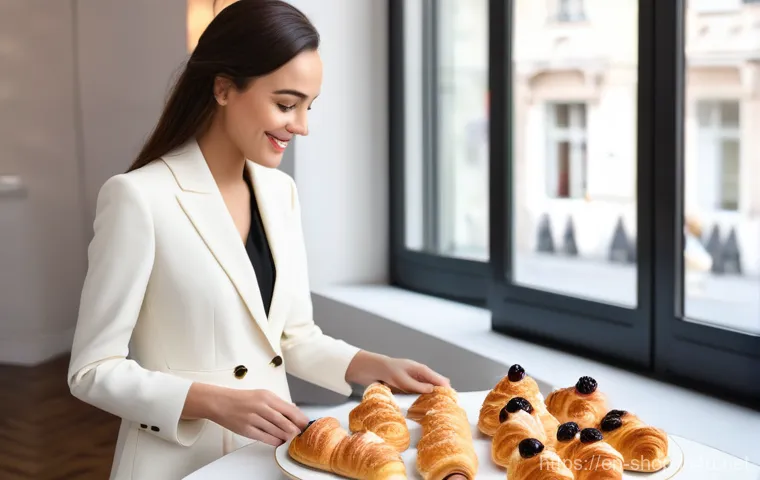
Or for a fashion boutique, a “Parisian Chic Afternoon” with mini-croissants and a live sketch artist. The key here is specificity and imagination. I’ve noticed that when themes are too broad, they tend to fall flat.
But when they’re niche and evocative, they create a sense of curiosity and exclusivity. From my experience, people are willing to go out of their way for something that feels special and unique, something that offers more than just a transaction.
It transforms shopping into an experience, and that’s exactly what we’re aiming for.
The Sensory Experience: Sound, Sight, Scent
This is where you truly tap into the subconscious. Have you ever noticed how certain stores have a signature scent? Or how the music changes the pace of your shopping?
I certainly have! When I started paying attention to these elements, my events began to transform. For a summer clearance event, I might opt for upbeat, sun-drenched indie pop, bright lighting, and a refreshing citrus diffuser.
For a holiday launch, it would be classical carols, warm, inviting lighting, and a hint of cinnamon. These aren’t just background elements; they are powerful tools for mood manipulation.
I vividly remember one time, we introduced a “winter wonderland” theme, and beyond the visual decorations, we piped in soft snow sounds and a subtle pine scent.
The feedback was incredible; customers felt like they were genuinely stepping into a different world, and their dwell time increased significantly, which, let’s be honest, is golden for conversions.
Beyond the Basics: Unique Event Concepts That Shine
In today’s incredibly crowded retail landscape, simply putting “20% Off Everything!” on a sign just doesn’t cut it anymore. We’ve moved past the era where a discount alone guarantees foot traffic.
What people crave now are experiences, something memorable that they can share on social media or tell their friends about. This is where getting creative with your event concepts truly pays off.
I’ve always pushed myself and my team to think outside the box, to consider what would genuinely surprise and delight our customers, rather than just expecting them to show up because we’re offering a deal.
It’s about adding layers of value that go beyond the product itself. When I started experimenting with experiential events, I saw a dramatic shift in engagement.
People weren’t just buying; they were participating, learning, and forming a deeper connection with the brand. It’s an investment, absolutely, but one that yields significant returns in customer loyalty and brand advocacy.
Interactive Workshops and Demos
This is one of my absolute favorite strategies. Instead of just selling products, teach your customers how to use them, or even better, how to create something new.
Imagine a cooking store hosting a free pasta-making workshop, or a beauty store offering mini-makeover sessions and skincare consultations. I’ve found that these kinds of hands-on activities empower customers and build trust.
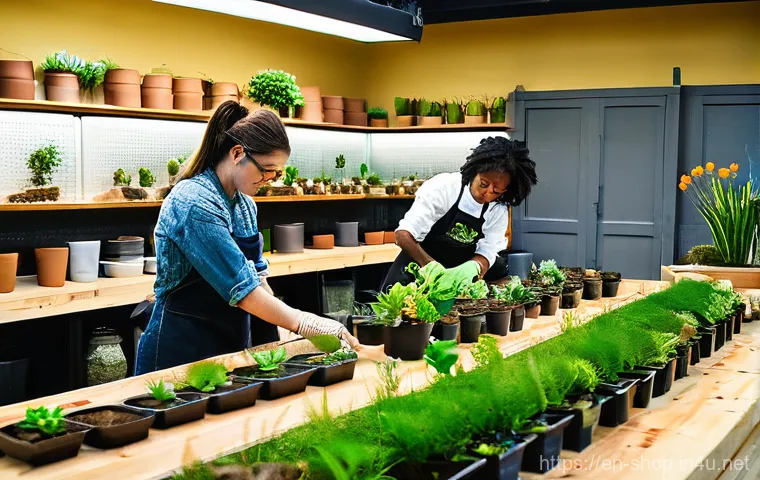
They see the value, they gain a skill, and they inevitably associate that positive experience with your brand. I once organized a terrarium-building workshop at a small plant shop.
We charged a nominal fee, but it covered the cost of materials, and people absolutely loved it. They bought more plants and accessories afterward, and word-of-mouth spread like wildfire.
It’s not just about a sale; it’s about creating a community and positioning your store as a hub for learning and creativity.
Collaborations and Pop-Up Partnerships
Why go it alone when you can join forces? Collaborating with other local businesses or artists can bring fresh energy and a whole new audience to your store.
Think a local coffee shop setting up a pop-up within your bookstore, or a local artist displaying their work in your boutique. I’ve personally seen how these partnerships create a synergistic effect, where both businesses benefit from cross-promotion.
One of my most successful ventures was a “Local Artisan Showcase” where we invited several independent craftspeople to set up mini-stalls in our store for a weekend.
The unique products attracted a new crowd, and our regular customers loved the novelty. It wasn’t just an event; it was a community celebration, and it felt incredibly authentic and special.
Making It Personal: Engaging Your Audience Effectively
In the vast ocean of retail, standing out means more than just having great products; it means forging real connections with your customers. I’ve often reflected on the stores where I feel most valued, and it’s always those that make me feel seen, heard, and appreciated.
It’s not about being pushy, but about creating genuine opportunities for interaction and making each visitor feel like they’re part of something special.
This shift from transactional relationships to relational ones is, in my opinion, the secret sauce for long-term success. I remember feeling a little overwhelmed trying to implement this at first, thinking it required grand gestures.
But what I discovered is that it’s often the small, thoughtful touches that make the biggest difference, creating a ripple effect of positive sentiment that keeps people coming back.
Personalized Experiences and One-on-One Attention
How can you make a customer feel like this event was designed just for them? Think about offering personalized styling sessions, bespoke product recommendations based on a quick survey, or even a ‘meet the expert’ session where they can get tailored advice.
I once ran an event where we offered complimentary “color palette consultations” for clothing. We had a stylist spend 15 minutes with each customer, and the enthusiasm was palpable.
People felt like they were getting invaluable, personalized advice, and it invariably led to increased sales of items recommended during the consultation.
It’s about making them feel unique and understood, a stark contrast to the often-impersonal online shopping experience.
Gathering Real-Time Feedback and Building Community
Events are fantastic opportunities to listen to your customers. Set up a feedback station, conduct quick informal polls, or just have your staff genuinely engage in conversations.
I’ve found that when customers feel their opinions matter, they become more invested. Even better, use the event as a springboard for building a community.
Create a loyalty program tied to event attendance, or invite attendees to join an exclusive online group where they can share their experiences and get early access to future events.
I remember one customer telling me how much she appreciated being asked for her opinion on new product lines during an event, making her feel like a valued contributor to our store’s direction.
The Power of the Buzz: Marketing Your Event Like a Pro
You can plan the most incredible retail event in the world, but if nobody knows about it, it might as well not exist. Generating a genuine buzz is absolutely crucial, and it’s an art form in itself.
I used to think a few social media posts were enough, but I quickly learned that effective marketing requires a multi-pronged approach, hitting various channels with a consistent, exciting message.
It’s about building anticipation and clearly communicating the unique value proposition of your event. From my early days of just hoping people would show up, I’ve evolved my strategy to be much more proactive, understanding that getting the word out is just as important as the event itself.
I’ve seen events flounder because the marketing was an afterthought, and I’ve seen simpler events thrive because the promotion was spot-on and genuinely compelling.
Leveraging Social Media Storytelling
Don’t just post flyers; tell a story! Use Instagram Reels and Stories, TikTok videos, and Facebook Live to give sneak peeks, behind-the-scenes glimpses, and testimonials.
Show the preparations, introduce the people involved, and highlight what makes this event unmissable. I’ve personally experimented with countdown timers, polls asking what customers are most excited about, and even short interviews with staff about their favorite aspects of the upcoming event.
This creates excitement and engagement long before the doors even open. Remember, social media is about connection, not just broadcasting. Make your audience feel like they’re already part of the event.
Local Partnerships and Community Outreach
Beyond digital, don’t underestimate the power of local connections. Partner with local community groups, schools, or complementary businesses to spread the word.
Could a local school choir perform at your holiday event? Or could a nearby café distribute flyers with a special offer? I’ve found that these grassroots efforts not only expand your reach but also build goodwill within the community.
Handing out physical flyers in person at other local hotspots, or even getting a mention in a local newsletter, can sometimes be more effective than a thousand online impressions, especially for drawing in a truly local crowd who are looking for things to do in their immediate area.
| Marketing Channel | Best For | Key Benefit |
|---|---|---|
| Instagram Stories/Reels | Building anticipation, visual appeal, young demographic | High engagement, behind-the-scenes access, direct interaction |
| Email Newsletters | Targeted communication, detailed info, loyal customers | High conversion rates, exclusive offers, strong call-to-action |
| Local Partnerships | Community engagement, new audience reach, local relevance | Cost-effective, builds goodwill, diverse attendee base |
| Paid Social Ads | Broad reach, specific targeting, quick visibility | Scalable, data-driven optimization, immediate impact |
Measuring Success: What Really Matters Beyond Sales Figures
While the bottom line is undeniably important (we’re running businesses, after all!), I’ve learned that truly successful events offer so much more than just a spike in sales.
It’s about building long-term value, enhancing brand perception, and creating a loyal customer base. When I first started, I was hyper-focused on the immediate sales numbers from an event, and while that’s a metric, it’s not the *only* metric.
Over time, I began to broaden my perspective, realizing that the ripple effects of a well-executed event could be far more impactful than just the day’s receipts.
It’s about understanding the entire ecosystem of your store’s health, where an event plays a vital role in nurturing customer relationships and brand longevity.
Beyond Transactions: Dwell Time and Engagement Metrics
How long are people staying? Are they interacting with your staff, your products, and each other? These are incredibly valuable insights.
I often look at how much longer customers stayed during an event compared to a regular day. Increased dwell time usually means higher engagement, more opportunities for discovery, and ultimately, a stronger connection with your brand.
I remember running an art exhibition event where sales were modest, but the average dwell time doubled, and we saw a huge surge in social media mentions and new newsletter sign-ups.
That, to me, was a massive win, indicating enhanced brand visibility and future potential, even if the immediate cash register wasn’t ringing off the hook.
Social Media Reach and Sentiment Analysis
In today’s digital age, what people say about your event online can be just as important as what happens in-store. Track hashtags, monitor mentions, and analyze the sentiment of the conversations.
Are people sharing positive experiences? Are they tagging your store? I’ve found that a strong, positive social media buzz translates into future interest and foot traffic.
A few years ago, we hosted a “pet adoption day” with a local shelter. While we didn’t sell many products *that day* related to the event, the sheer volume of heartwarming posts, shares, and positive comments about our store being community-minded created an invaluable halo effect that lasted for months, attracting new customers who appreciated our values.
Overcoming Obstacles: Common Pitfalls and Solutions
Let’s be real, not every event goes off without a hitch. I’ve had my share of “learning experiences,” from unexpected weather to technical glitches, and even a time when our special guest got stuck in traffic!
The key, I’ve learned, isn’t to avoid all problems – that’s simply impossible – but to anticipate them and have contingency plans in place. Think of it like a seasoned traveler who always packs an emergency kit.
Being prepared can turn a potential disaster into a minor hiccup, and your customers will appreciate your ability to adapt. It’s about being proactive and having a “Plan B” (and sometimes a “Plan C”) ready to go, which has saved my sanity more times than I can count.
Budgeting Blunders and Cost Overruns
This is a classic. It’s easy to get swept up in the excitement of planning and overspend. My advice?
Start with a clear budget and stick to it religiously. Get multiple quotes for everything, from decorations to entertainment. And always, *always* factor in a contingency fund – I typically aim for 10-15% of the total budget – for those unexpected costs that inevitably pop up.
I remember one time we were planning a live music event, and the sound engineer’s fee was significantly higher than anticipated at the last minute. Having that contingency fund saved us from having to cut corners elsewhere, ensuring the quality of the event wasn’t compromised.
Logistical Nightmares and Staffing Shortages
Detailed planning is your best friend here. Create a comprehensive checklist for everything, from setup and teardown schedules to inventory management and staff assignments.
Over-communicate with your team, ensuring everyone knows their role and responsibilities. And when it comes to staffing, always over-estimate slightly, especially if your event is expected to draw a large crowd.
It’s better to have an extra pair of hands than to be overwhelmed. I’ve personally experienced the chaos of being understaffed during a busy product launch, and it can quickly diminish the customer experience.
A well-briefed and adequately staffed team is the backbone of any smooth event.
Turning Foot Traffic into Loyalty: Post-Event Strategies
The event itself might be over, but your work isn’t done! This is where you capitalize on the momentum and transform those excited attendees into long-term, loyal customers.
I used to pack everything up and move on to the next thing, but I soon realized I was missing a huge opportunity to extend the magic and solidify those burgeoning relationships.
It’s about nurturing the connections you’ve made and continuing the conversation. Think of the event as the first date, and the post-event activities as the beginning of a beautiful, lasting relationship.
This is where you really build value beyond the initial “wow” factor, turning fleeting interest into enduring brand advocacy.
Follow-Up Communications and Exclusive Offers
Don’t let the excitement fade. Send a personalized thank-you email to all attendees, perhaps with a photo gallery from the event. Even better, offer them an exclusive discount or early access to a new product as a token of appreciation for their participation.
I’ve found that a well-timed follow-up can significantly increase repeat visits and purchases. After a successful “Meet the Maker” event, we sent out an email with a special code for 10% off that maker’s products for the next week.
The redemption rate was fantastic, proving that customers appreciate feeling special and being acknowledged post-event.
Sustaining Engagement and Future Event Previews
Keep the conversation going! Use your social media channels to share highlights, testimonials, and behind-the-scenes content from the event. Ask attendees for their favorite moments and what they’d like to see next.
And crucially, give them a glimpse of what’s coming up. Tease your next event to maintain that sense of anticipation and keep them looking forward to their next visit.
I’ve noticed that teasing future events in a follow-up email, perhaps with a “save the date” or a sneak peek at a theme, creates a continuous cycle of engagement and keeps customers invested in what your store has planned next, ensuring they stay tuned and excited.
Wrapping Things Up
Well, there you have it, folks! Looking back at all the events I’ve poured my heart and soul into, from the small, intimate gatherings to the bustling seasonal extravaganzas, the biggest lesson I’ve learned is that it’s truly about connection.
It’s about opening your doors and inviting people into an experience, not just a store. When you focus on creating genuine moments and making people feel valued, the sales and the loyalty naturally follow.
It’s a journey, not a sprint, and every event is a chance to deepen that bond with your community. I truly believe that the future of retail lies in these shared experiences, and I’m always thrilled to see the magic unfold.
Useful Information to Know
1. Always start your event planning with a clear objective. Is it to drive sales, build brand awareness, or foster community? Having a defined goal helps shape every decision, from your theme to your marketing strategy.
2. Don’t underestimate the power of employee training. Your staff are the face of your event, and their enthusiasm, knowledge, and ability to connect with customers can make or break the entire experience.
3. Leverage user-generated content. Encourage attendees to share their experiences on social media using a unique hashtag. This organic reach is incredibly powerful and builds authentic buzz for your brand.
4. Prioritize accessibility for all your events. Consider diverse needs in terms of physical access, language, and sensory elements to ensure everyone feels welcome and can fully participate.
5. Conduct a post-event debrief with your team. Gather feedback, analyze what worked well and what could be improved, and document your learnings for future event planning. Every event is a chance to learn and grow!
Key Takeaways
Crafting memorable retail events is a dynamic blend of creativity, careful planning, and a deep understanding of your audience. It’s not enough to simply offer discounts; you must curate an immersive experience that stimulates the senses and tells a compelling story.
From my personal journey, I’ve seen that prioritizing genuine customer engagement through interactive elements and personalized touches transforms casual visitors into loyal advocates.
Furthermore, a robust, multi-channel marketing strategy, coupled with a keen eye for measuring success beyond immediate sales, is vital for maximizing impact.
Embracing challenges as learning opportunities and consistently nurturing customer relationships post-event are what truly set apart an exceptional retail experience from the rest, ensuring long-term brand health and community connection.
Frequently Asked Questions (FAQ) 📖
Q: Why are in-store retail events more critical than ever for businesses trying to stand out in today’s crowded market?
A: Honestly, it feels like every day there’s a new brand popping up, and online shopping is so convenient. So, why would someone bother coming into your physical store?
That’s the million-dollar question, right? From what I’ve seen firsthand, and trust me, I’ve spent a lot of time observing successful retailers, the answer is simple: an unforgettable experience.
Think about it – we’re all craving connection and something that sparks joy beyond just clicking “add to cart.” In-store events cut through all that digital noise.
They give people a genuine reason to step away from their screens, offering a sensory experience that an algorithm just can’t replicate. I remember one boutique I worked with; they started hosting monthly “Style & Sip” evenings, and their foot traffic – not to mention sales – absolutely soared.
It wasn’t just about the clothes; it was about the community, the laughter, and that feeling of being part of something special. It transforms your store from a place to buy things into a destination, a vibrant hub where relationships are built, and loyalty blossoms.
Q: What types of retail events genuinely captivate customers and create those “memorable moments” you mentioned?
A: Oh, this is where the magic happens! Forget the old-school, dusty sales events – we’re talking about crafting experiences that feel tailor-made for your audience.
The key is to think beyond transactions and focus on genuine engagement. I’ve found that interactive workshops are huge; imagine a “DIY terrarium” class at a home goods store, or a “mix your own custom scent” session at a beauty boutique.
People love learning new skills and leaving with something they created. Product launches, but with a twist, are also fantastic. Instead of just putting new items on shelves, host an exclusive “first look” party with complimentary refreshments and an expert demonstrating the product’s unique features.
And let’s not forget collaborations! Partnering with a local artist for a live painting session or a small business for a pop-up market inside your store creates buzz and introduces both of you to new audiences.
My personal favorite? Themed events that tap into local culture or holidays – think a “Summer Fiesta” with live music and local food trucks, or a “Winter Wonderland” complete with hot cocoa and a cozy reading nook.
It’s about giving customers a reason to hang out, explore, and truly immerse themselves in your brand’s world.
Q: How do these creative retail events actually translate into tangible benefits like increased sales and stronger customer loyalty?
A: This is where we connect the fun to the bottom line, and it’s actually quite straightforward when you do it right! First off, increased foot traffic is a given.
More people in your store means more eyes on your products, and that naturally leads to more impulse buys and planned purchases. But it’s deeper than just immediate sales.
When you create memorable, positive experiences, you’re building brand affinity. Customers feel a connection to your store, they trust you, and they become loyal advocates who not only return but also spread the word to their friends and family.
I’ve seen customers who attended a specific event become regular shoppers for years afterwards. Think about it: during an event, people are more relaxed, more open to exploring, and often more willing to spend a bit more because they’re enjoying themselves.
Plus, these events are goldmines for gathering customer data (with their permission, of course!) and building your email list, which allows for continued communication and targeted promotions long after the event ends.
It’s an investment in your community, your brand’s reputation, and ultimately, your long-term profitability.